

November 15, 2013
The Q-Mat Blazes a New Trail in Electric Floor Heating Mat Design
Floor heating mats work on a very basic principle. A heating wire is woven through a fiberglass mat. The mat is then laid out beneath tile, stones, flooring, etc. to keep them warm.
Because of the simplicity of its design, floor heating mats haven’t changed much over the years. No one is more aware of this than Easy Warm Floor.
Our 23 years in the floor heating industry has led us to make several innovations in what has become an outdated design. Fiberglass mesh is an effective way to keep floor heating cables in the shape of a mat, but it can also be clunky to work with. Aside from being hard to unroll in tight places, turns require you to cut through the entire mesh to release the wires.
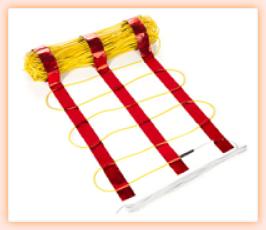
Our Q-Mat changes all this. Rather than a fiberglass mesh, our heating cables are held in place with two thin flexible aluminum strips. Turning corners or fitting wires into tight spaces requires just two quick snips of these aluminum bands. The bands are also equipped with self-adhesive, so once the mats are in place, simply removing the protective backing will adhere them permanently.
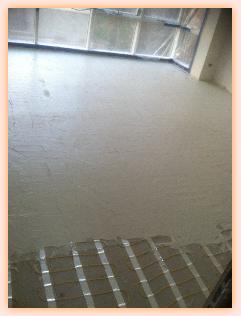
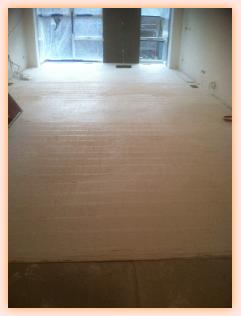
The Q-Mat’s wide open design serves a more important function than just being easy to work with. When you are installing Q-Mat beneath a surface that requires mortar such a stone or tile, only one layer of compound is generally needed. With a fiberglass mat, mortar is required beneath the mat and on top of it. Our Q-Mat leaves most of the subflooring exposed.
For a better idea of how all this works, check out the pictures at right.